
For aspiring makeup artists who want to build a career in film, television, fashion, and creative production, choosing the right training can make a significant difference. Iver Academy provides professional makeup education designed to help students develop practical skills, industry awareness, and creative confidence. Located close to Pinewood Studios, Iver Academy gives aspiring artists an opportunity to study in an environment connected to one of the UK’s leading production locations. With focused makeup courses, Iver Academy helps learners progress from foundational techniques to specialist skills suitable for professional creative environments. For students seeking makeup courses near Pinewood Studios, Iver Academy offers a convenient and career-focused training route.
What advantages are there to taking Makeup Courses in Pinewood Studios?
Students wishing to pursue an entertainment career may especially benefit from a training academy that is conveniently located. The area has a rich heritage in the production of film and TV, and this has appeal to those looking to pursue creative careers.
Students taking makeup courses in the vicinity of Pinewood Studios can ease themselves in to the world of the professional industry of big productions. Successful careers require skills, dedication, networking and experience, but studying close to an important production hub can be helpful in terms of being inspired and in the industry setting.
Training for Real-World Creative Environments
Professional makeup artists can find jobs on film, in television shows, fashion shoots, advertising campaigns, theatre shows, photography jobs and special effects jobs. Makeup courses ought to offer more than basic beauty techniques.
Students will have the opportunity to learn how to work with various face shapes, skin types, lighting conditions, makeup products, application methods and creative briefs. The practical education may also be used to teach the learners the importance of using time, hygiene, communication and professionalism.
What Students Can Learn from Professional Makeup Training
Well-structured makeup courses can introduce students to a broad range of techniques while allowing them to develop their own creative style. The exact curriculum can vary, but professional training commonly covers beauty makeup, editorial looks, hairstyling, character work, and specialist techniques.
Beauty and Fashion Makeup
Beauty makeup offers an essential base for those who are entering the beauty industry. Students can learn how to create different types of complexion, how to match foundations, how to contour, how to highlight, how to apply eye makeup and lipstick, as well as professional finishing techniques.
Makeup for fashion and editorial can call for more creativity. Artists need to create mood boards, take creative direction, test out colour and create unique looks. These skills can be beneficial in photoshoots, runway, advertisement or editorial shoots.
Hair and Styling Skills
Hair and make up are important concepts that makeup artists in the entertainment field often have to grasp. Professionals can benefit from basic hairstyling for a complete look and easier working with a photographer, stylist, director, or production team.
Iver Academy also includes creative training which may be able to extend students’ skills beyond standard cosmetics. It will give the graduate the ability to use other skills to versatility appropriately in working on various professional briefs.
Special Effects and Character Makeup
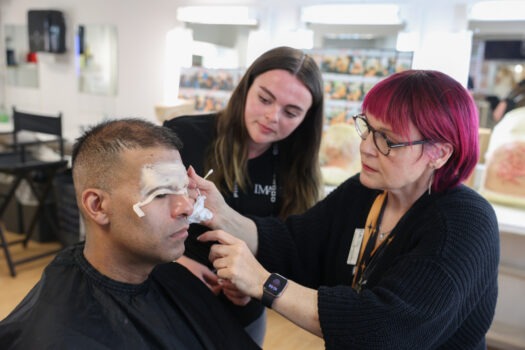
Artists are commonly requested in film and television productions to change the appearance of actors to seem like characters. Ageing effects, character design, prosthetics, character wounds, texture creation and other specialty techniques.
Courses that have a creative and hands-on nature may be able to expose students to the concepts behind character make up and special effects. Students may experiment with the effect of makeup on the costume, lighting, camera angles and narrative.
Creating a sense of detail on the construction.Detailing of the building
Applying character and special effects makeup takes time and attention to detail. Even small details can make a big difference when it comes to the final product in the camera.
Students will be able to gain knowledge about the product selection, blending, texture, colour and application. The attention to detail can help one to have a professional attitude at work when working to meet deadlines.
Build Professional Skills while Working Creatively
However, being technically successful is not all there is to being a successful makeup artist. Reliability, communication skills, organisation and the ability to work well under pressure are also attributes that are required from professionals.
Iver Academy supports pupils to have a professional attitude to training. Opportunities for practice may be available in the form of makeup courses, where students can practise working from creative briefs, complete looks within realistic time frames, and adapt techniques as required by a client and/or production.
Hygiene and Professional Standards
In the professional area, hygiene is extremely important. Artists can see more than one client or performer in a day and it’s extremely important that equipment is kept clean and application methods are safe.
Students can find out why it is important to clean brush, keep products clean, use the right application tools, and have organised workstations. Practicing these habits will help build skills that can be carried forward to work and self-employment.
Creating a Portfolio for future possibilities
A solid portfolio can be a great way for emerging makeup artists to show their skills to various companies, clients, photographers, agencies, and production teams. Practical training offers opportunities to produce a range of finished products that demonstrate a range of techniques.
At Iver Academy students who wish to pursue an artistic career can learn to concentrate on creating artwork that demonstrates their technical skill and creativity. Students have the opportunity to learn about various styles and create examples that are versatile.
Demonstrating various make up styles
Based on the student’s career path, a portfolio can contain natural beauty photographs, editorial photographs, fashion photographs, character photographs, period photographs, bridal photographs, special effect photographs or a combination of all of these.
Makeup courses can be used to discover which parts of the course you are enjoying the most, and equipping students with a wider skill set. A varied portfolio will show the skill to understand various creative needs.
The importance of practical experience in the learning process
Makeup is a hands-on profession. Knowing how to perform a technique is important, but doing it over and over again is the key to getting comfortable and consistent in your performance.
Iver Academy is dedicated to hands-on learning and students can practise techniques instead of just theoretical learning. Courses that are both theoretical and practical can enable students to learn about the properties of products, how techniques translate in practice and how faults are repaired.
Drawing lessons from the experienced tutors
Stimulating and effective feedback from teachers can aid pupils in recognising areas of weakness and enhance technique more effectively. Tutors can show how to apply, give feedback and explain professional practices for various creative situations.
At Iver Academy children are able to ask questions, practise techniques and build their confidence. This kind of organized assistance may be particularly beneficial for those who have never been in the creative industry.
Career in Film, TV and Fashion is what is needed to be prepared
There are numerous career opportunities in the creative industries. Graduates can pursue the career with the makeup artist, hair and makeup artist, beauty specialist, editorial artist, character makeup artist or freelance makeup artist position. Makeup courses are a practical way for students to acquire the skills needed to work around big production sites, particularly if they have an interest in this type of work. But, it’s also important to keep practicing, networking, building a portfolio and learning throughout the career.
At Iver Academy pupils learn the value of being creative and applying professional discipline. The training can be used as a stepping stone for further development of their personal specialisms.
How to pick the correct Makeup Course to take
Students who are thinking about taking the course should think about the content of the course, the opportunities for hands-on practice, how the course is taught, how long the course will last, the specialist subjects included and the relevance of the course.
Think about Your Careers Goals
An individual who want to learn makeup for fashion can focus on editorial and beauty makeup, and on the other hand, an aspiring artist in the film industry can concentrate on character and special effects makeup. Knowing what you want to do can help in selecting appropriate cosmetics classes.
Iver Academy provides creative education for pupils wishing to learn skills that are applicable in a variety of different sectors of the beauty and entertainment industry. Keeping an eye on the courses is important to choose the training that fits learners’ ambition.
The goal of this course is to begin developing your creative career
Professional Makeup is a fusion of creativity, technical accuracy, communication and experience. Training can be a great basis for students wishing to launch a competitive creative career.
Iver Academy is an ideal choice for students who want to pursue a career in the arts and need to learn what it takes to succeed, in an environment that’s heavily driven by industry. From film, television, fashion, beauty and special effects, structured training can make a difference to getting on the right path to your chosen career.
Frequently Asked Questions
1. Who may take make-up classes?
Makeup courses are appropriate for beginners, professional aspiring artists and those wanting to further their beauty or creative abilities. The suitability of this course is dependent on the course and entry requirements of the programme.
2. What is taught in professional make up courses?
Students can study beauty makeup, editorial techniques, hairstyling, character makeup, special effects, product knowledge and hygiene and professional application methods, depending on the programme.
3. Is it good for film and television jobs to have makeup courses?
Yes. There are specialist training courses that can assist students in learning techniques applicable to film and television such as character design, camera conscious makeup, hairstyling and special effects. Experience and developing the portfolio in the industry are also important.
4. What made one choose to take makeup lessons from the studios of Pinewood?
Those who are looking to create a career in the film industry can find an industry-oriented environment by studying in the vicinity of a big production center. The site could also be ideal for students looking to pursue careers in film and television or production.
5. What are my options for a career following make-up school?
Students can then develop their portfolios, practice regularly, connect with creative people, find work experience and possibly freelance or find employment. Artist can also acquire specialist skills by pursuing continuing education.