
Draw no bet vs double chance is a choice between two ways of covering a draw: Draw No Bet refunds your stake if the match ends level, while Double Chance pays out on two of the three full-time results. That extra cover has a price: both markets sit at shorter odds than a straight win bet, and Double Chance usually sits shorter than Draw No Bet on the same team.
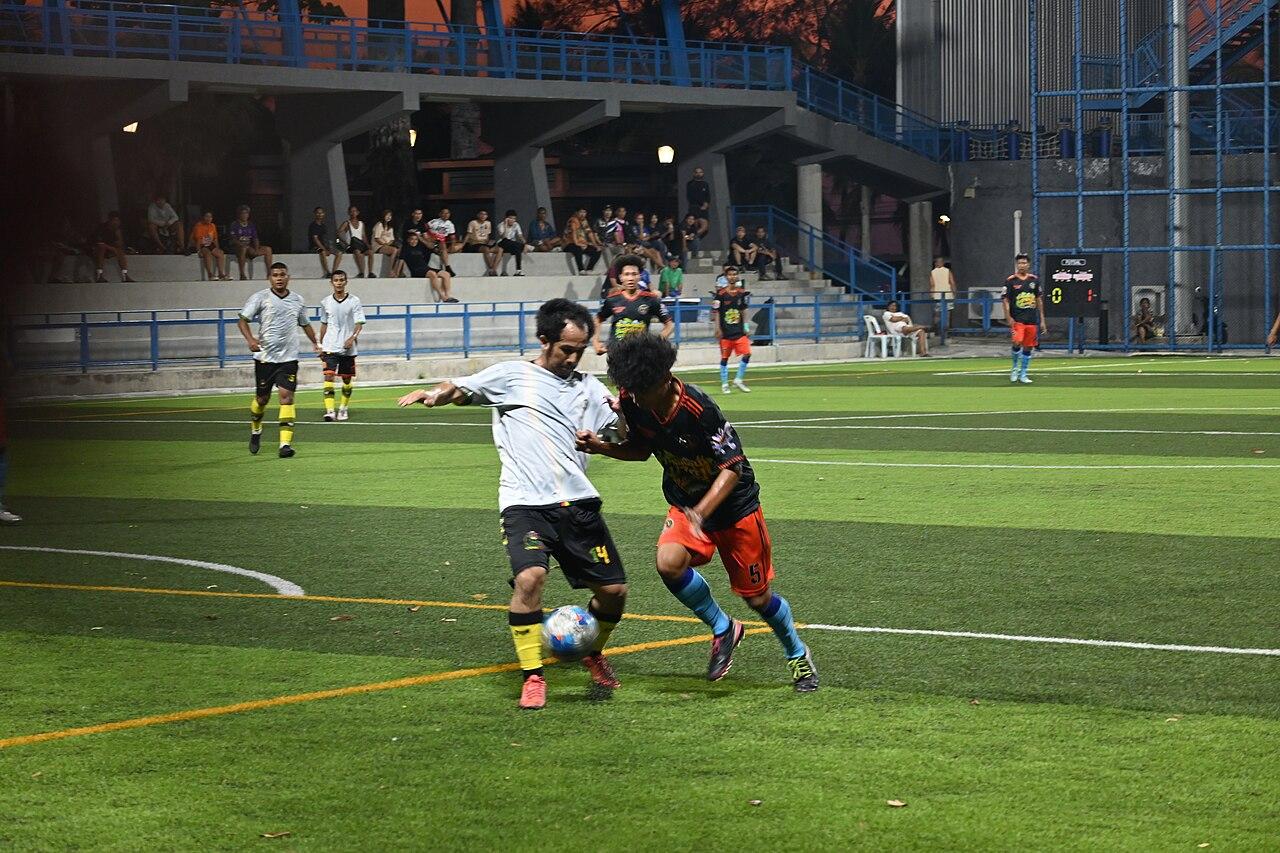
What does each market pay when the match is drawn?
Draw No Bet (DNB, also called Tie No Bet) removes the risk of losing your stake on a draw. If the match finishes level, the bet is a ‘push’ and your original stake comes back. A DNB bet on the home side wins only if the home side wins.
Double Chance covers two of the three 1X2 outcomes and pays both as full wins. ‘1X’ wins on a home win or a draw, ‘X2′ on a draw or an away win, and ’12’ on either team winning. In 1X and X2 the draw is a win, not a refund.
Picture a league match that finishes 1-1 and you backed the home side. With DNB you get your stake back and nothing more. With 1X you are paid at the full odds.
|
Result |
DNB (home) |
1X |
X2 |
12 |
|
Home win |
Win |
Win |
Lose |
Win |
|
Draw |
Stake refunded |
Win |
Win |
Lose |
|
Away win |
Lose |
Lose |
Win |
Win |
Why is Double Chance priced shorter than Draw No Bet?
Being paid is better than being refunded, so the market that pays on a draw carries the lower price. A hypothetical example makes this visible. Assume a ‘fair’ split of 50% home win, 25% draw and 25% away win, with no bookmaker margin.
On that split, a home DNB bet is priced at -200 in American odds and a 1X Double Chance at -300, according to BettorEdge. Converted to decimal, that is roughly 1.50 and 1.33. The decimal conversion is my own, and the whole table is an illustration, not a real line.
|
Market (hypothetical) |
Bet wins |
Stake refunded |
Bet loses |
Fair decimal odds |
|
DNB, home |
50% |
25% |
25% |
about 1.50 |
|
Double Chance 1X |
75% |
0% |
25% |
about 1.33 |
Read this way, the lower Double Chance price is not a worse deal. It is the cost of cover, and both bets express the same belief about the match priced in two ways. Real prices also include the bookmaker’s margin. One source’s made-up DNB prices of 1.55 (home) and 2.15 (away) imply about 64.5% and 46.5%, which add up to roughly 111%, and the excess over 100% is the margin.
To practise reading these prices, open a match on the M88 football odds page and compare the home side’s DNB price with its 1X price. The DNB number will almost always be the longer one. If the gap looks odd for the match in front of you, understand why before staking anything.
Which one is actually safer, and what does each protect against?
Double Chance wins more often than DNB on the same team, which is why many guides call it the safer option. But winning more often is not the same as being good value. One source says Double Chance is technically safer yet often priced so low that it is hard to justify, while another presents DNB as a sensible middle ground. My view is that ‘safe’ here means ‘wins more often’, not ‘loses less when it loses’. A losing bet of either type costs the full stake.
The ’12’ selection is the classic trap. It sounds like cover, but it loses on a draw, so it protects you against the one result the other two markets are built around. A common error is assuming every Double Chance bet includes the draw.
If you already follow Asian lines, treat DNB as the handicap 0 line: win, push or lose. That is a useful mental model because it shows DNB is a handicap-style bet with a refund, not a discounted win bet.
When does each market make sense?
The right choice depends on what you are afraid of in a particular match. A few common situations:
|
Situation |
Better fit |
Reason |
|
You back a side with a lower chance of winning, but a draw is plausible |
DNB |
The draw refund protects the stake on a longer price |
|
You think a draw is a real possibility and want your stake returned |
DNB |
Draw means a push, not a loss |
|
Evenly matched, draw-prone game |
Double Chance (1X or X2) |
DNB’s value drops compared with Double Chance here, and the draw pays in full |
|
You expect a winner, but are unsure which side |
12 |
Covers both teams, but you lose if the match is drawn |
What hidden trade-offs are left?
- No cover against losing. DNB does not protect you if your team loses, and Double Chance generally does not refund anything.
- A refund is not a win. If you were right that the match would be drawn, DNB returns only your stake.
- Extra time. Goal.com notes that DNB does not account for extra time or overtime. In knockout ties, check which period the market is settled on.
- Accumulators and abandoned matches. This guide has not confirmed how a refunded DNB leg is treated inside an accumulator, or how either market is settled if a match is abandoned. Read the rules before building a multiple.
For exact settlement rules, read the rules attached to each market on the operator’s own pages (starting point: https://m88.inc). Rules can differ between bookmakers and should not be assumed from a general guide like this one.
Neither market guarantees a profit. Shorter odds mean smaller returns for the same stake, and cover does not make a bet risk-free. Only stake money you can afford to lose, never borrow to bet, and check that online betting is legal and age-appropriate where you live.
The figure worth tracking next is how often draws land in the leagues you follow. Most guides skip it, yet that frequency, not the word ‘safe’, decides whether paying for draw cover is sensible.